


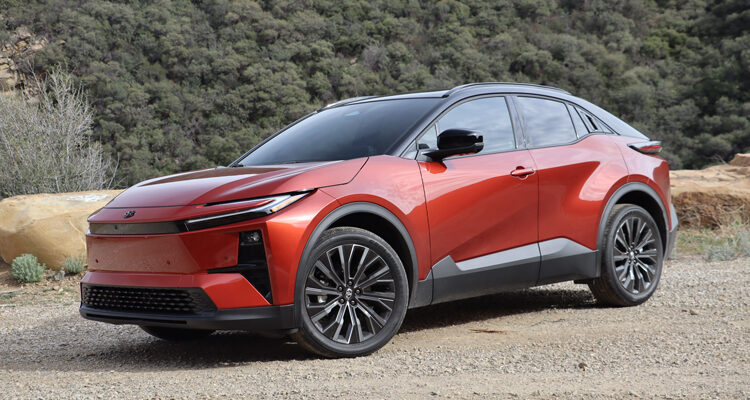
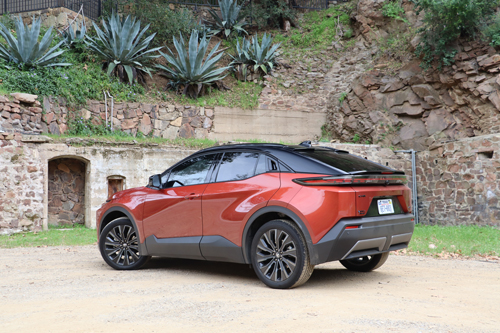
Ojai, California — For 2026, there are two all-new Toyota EVs coming to market as well as one heavily refreshed one. The one you see here — the C-HR (“Coupe High-Rider”) — is the smallest of the trio (which also includes the mid-size bZ and wagon-like bZ Woodland), with a 2,750 millimetre wheelbase and sitting just 1,620 mm above the ground. Those numbers are a little bigger than they were when we last saw the C-HR as a gas-powered front-wheel-drive compact crossover.
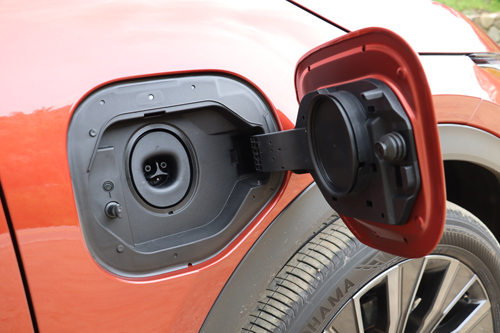
The latest C-HR is also FWD…but only in base SE trim ($44,900); move up to the second-tier XSE trim ($49,950) and it gets all-wheel-drive courtesy of a second EV motor on the rear axle. The FWD model makes 221 horsepower, while the AWD jumps to a healthy 338 hp and with a range of almost 500 kilometres, depending on spec. That should be more than enough time between charges for the average Canadian driver. The C-HR can be charged via either a DC fast charge which can return 10-80 per cent of power in as little as 30 minutes, or via the NACS “Tesla Supercharger” network – charge time figures for that have not yet been released.
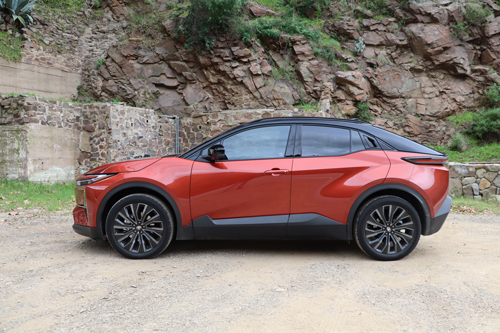
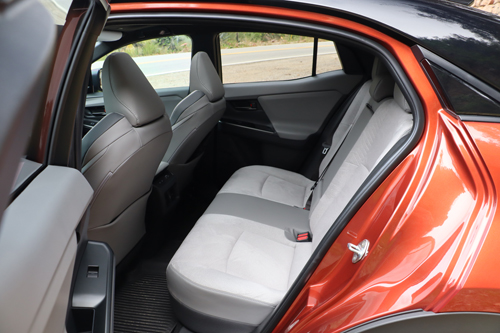
The word “coupe” is in the name, but the C-HR is, in fact, a five-door crossover. The “coupe” nomenclature is more of a trompe d’oeuil; the way they’ve hidden the rear door handles in the door pillar gives the impression that there are no rear doors. It’s a neat look that is a bit of a carryover from the previous C-HR, but I was glad to see it nevertheless.
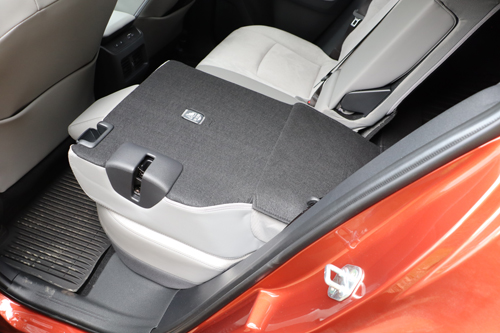
A cynic might also say that they’re calling it a “coupe” since the back-seat space is somewhat coupe-like in that there isn’t all that much of it. I won’t dock it too many marks for this as it is a compact crossover and I know that like many owners of vehicles this size, I’d probably only be using the back seats for my kids…or a dog. Or, I’d just drop them flat with a tug of a shoulder-mounted lever, providing access to 1,685 litres of rear cargo space. It’s good that there’s so much room back there because the C-HR has no front trunk, so everything has to be loaded into the back, or the back seat.
2026 Toyota C-HR
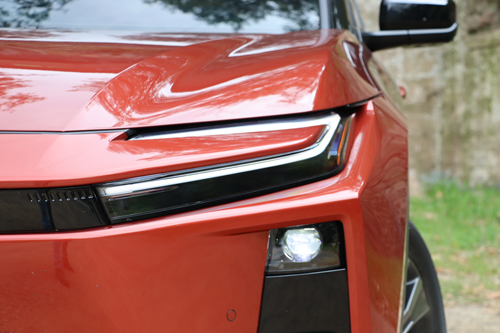
2026 Toyota C-HR
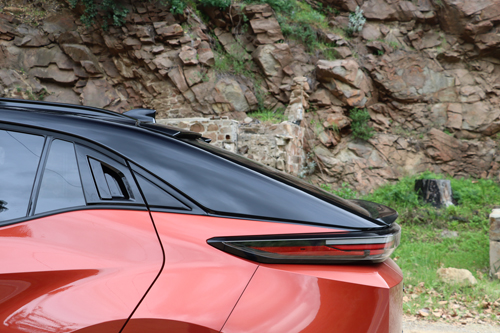
2026 Toyota C-HR
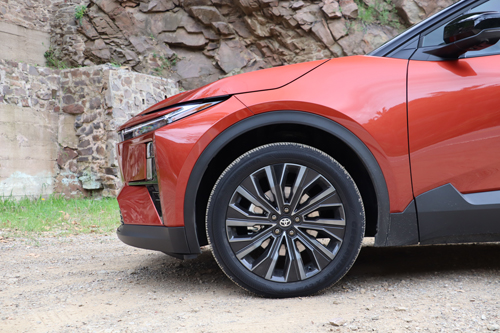
2026 Toyota C-HR
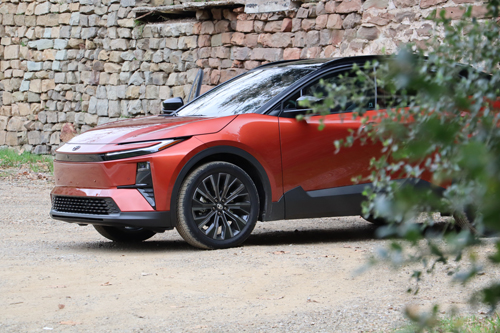
2026 Toyota C-HR
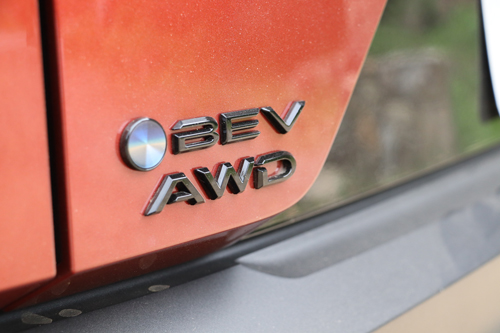
2026 Toyota C-HR
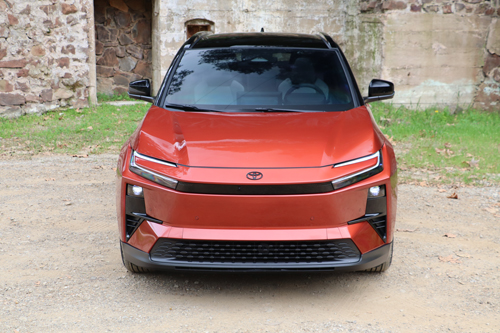
2026 Toyota C-HR
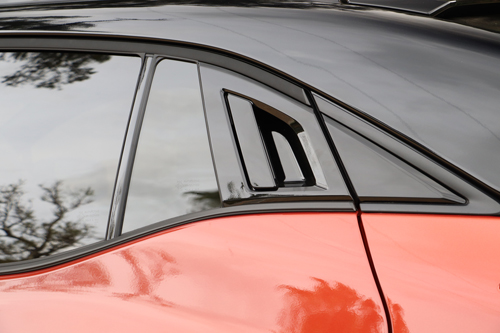
2026 Toyota C-HR
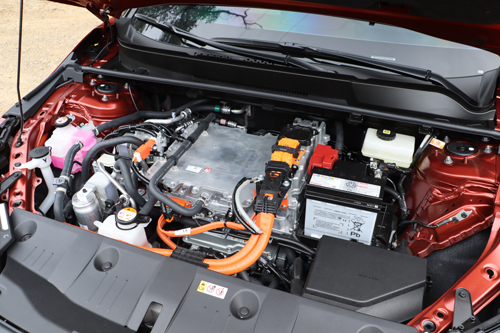
2026 Toyota C-HR
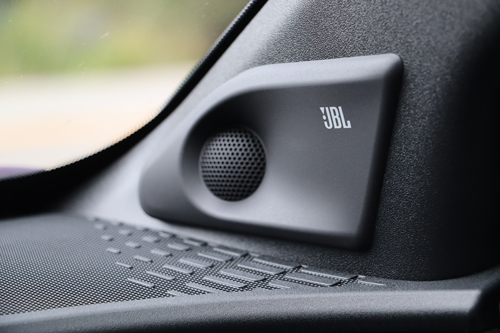
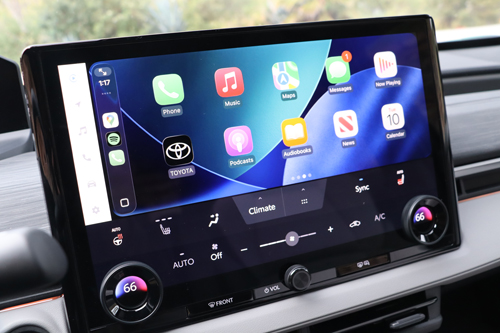
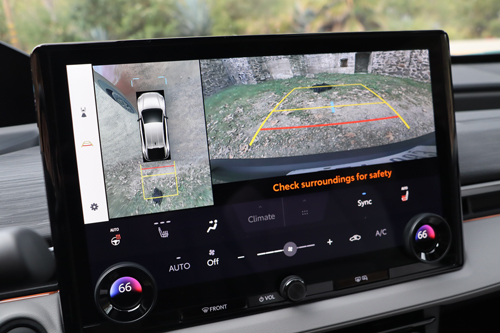
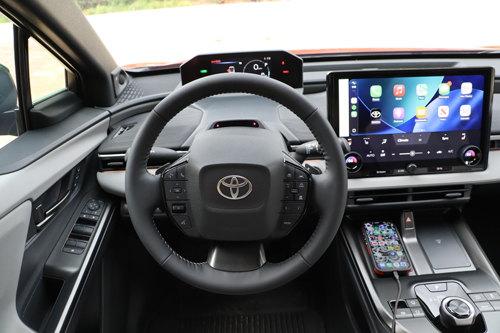
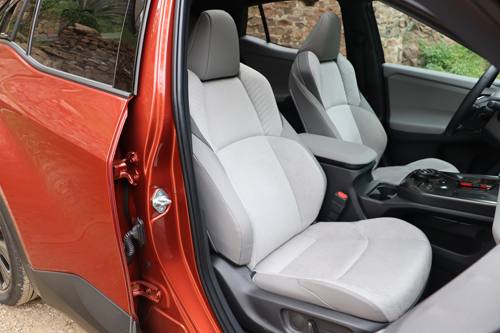
The C-HR’s rear seating area may be a little cramped, but the front cabin is a refreshingly airy place to sit. The standard glass roof and the way the seven-inch digital gauge cluster sits far back at the base of the windscreen helps contribute to the effect, while the floating 14-inch central infotainment display is easy to reach from its spot atop the dash. Wireless Apple CarPlay and Android Auto come as standard, and there are two wireless charge pads just below the central display. If you’d rather plug in to charge, there are two USB-C ports up front (that are admittedly tough to reach due to their being placed in a small cubby between the seats) and two at the back. Six-speaker audio is standard, with the top-spec XSE Premium model ($54,400) getting a 9-speaker plus subwoofer JBL system. Which, I must say, emits crisp audio and a rich baseline.
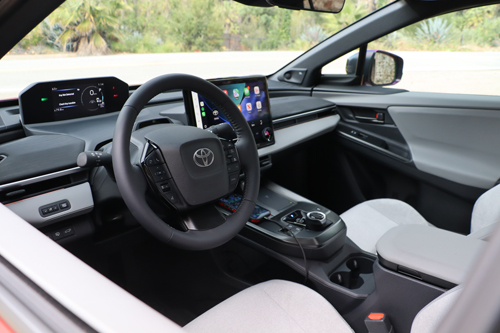
Out on the road, the C-HR does justice to its sporty compact crossover styling. Especially with 338 hp on-tap, acceleration is properly brisk and will have you at highway speeds in short order. It does run out of puff a little as speeds increase, but there’s plenty of power here to provide confident overtakes and highway entries.
The 77 kWh battery being stuffed nice and low in the chassis lowers the centre of gravity so that body roll through corners is reduced. Coupled with the grippy sweatpant-like fabric seating, I never felt myself sliding back and forth in the seat. Steering is responsive and while I could have used a little more feel through the wheel, it’s no deal-breaker.
2026 Toyota C-HR
2026 Toyota C-HR
2026 Toyota C-HR
2026 Toyota C-HR
2026 Toyota C-HR
2026 Toyota C-HR
2026 Toyota C-HR
2026 Toyota C-HR
2026 Toyota C-HR
Indeed, it’s going to take a lot to break any deal when it comes to the C-HR. Its styling, the way it handles the curves and the power – especially in dual-motor AWD spec – is quite something to behold. Add the compact dimensions that make the C-HR easy to park and thread through dense city traffic, and we have a real winner on our hands.