


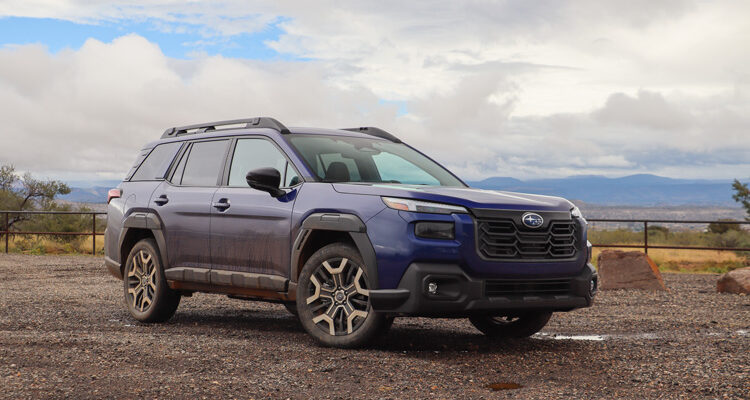
Sedona, AZ — I’m not sure why it’s taken me so long to realize this, but as I drove the Subaru Outback over some rocky and surprisingly slippery terrain just outside of Sedona, it hit me: the Subaru Outback has reached cult status. It really has.
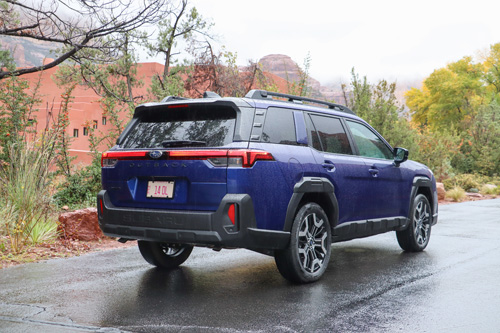
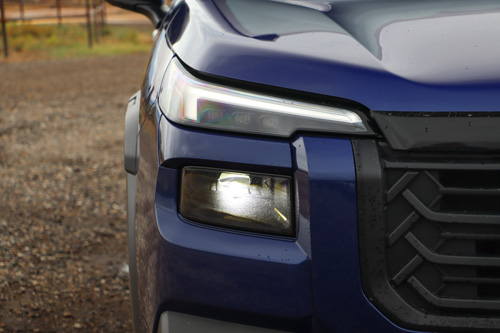
After all, in a world where station wagons are body styles recognized (and sought after) mainly by whacko car writers like yours truly and, well, boomers (maybe), the fact that it’s a station wagon alone is a notch on its cult card. It’s so much more than that, though. It’s more than that because the Outback isn’t just riding/hasn’t just ridden on the cult coattails; it’s always been a properly good car with great interior room, outstanding off-road capability and uniquely rugged looks.
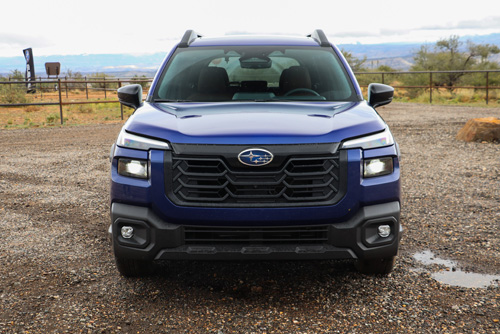
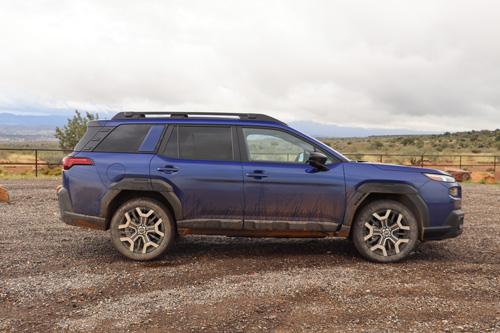
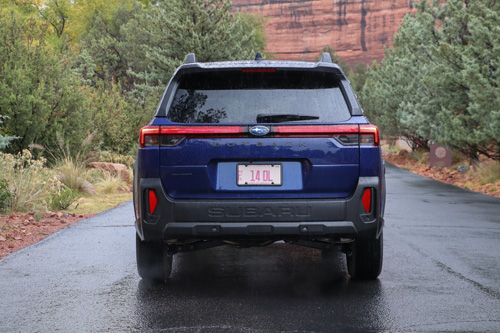
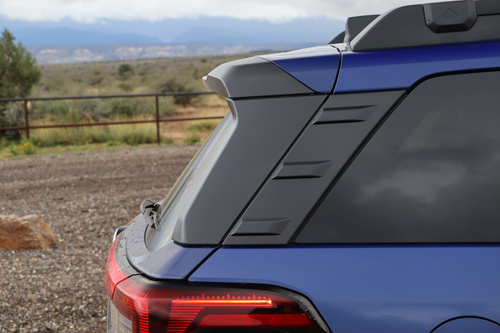
For ’26, that all continues although the Outback is bigger, taller and more rugged that it’s ever been. What was already a very large, very beefy station wagon has been given even more, well, beef. The standard roof rails, for example, can now support up to 363 kilograms, so your roof tent and the folks therein will be just fine.
Better still is how if you don’t want a tent up there, you can hang a hammock off one of the rails because individually, they can support up to 100 kilos. The rear cargo room – up to 980 litres behind the rear seats – will make it easier to pack what you need even without the use of a roof rack. For 2026, accessing the roof is made easier by the availability of side-steps that don’t affect the ground clearance one iota.
2026 Subaru Outback
2026 Subaru Outback
2026 Subaru Outback
2026 Subaru Outback
2026 Subaru Outback
2026 Subaru Outback
The rear seats fold in a 60/40 split; there’s no option to just drop the middle rear seat for a pass-through door. That means you have to sacrifice an entire outboard seat if you want to haul longer items. By Subaru’s own admission, Outback drivers are active folks that like to haul skis and fishing roads. Why not make it easier on them to do so?
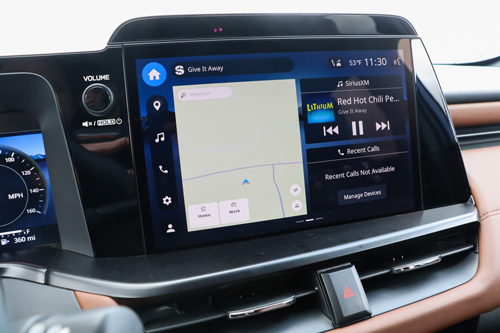
Inside, the new model gets more comfortable seats whose heating and cooling now covers a larger area of both the bottom cushion and the setback. They are comfortable indeed, providing the right mix of cushioning and support for long drives either on or off the beaten path. Other interior adds include an all-new infotainment system with a high-resolution 12.1” display. It’s powered by Snapdragon processor and gets wireless Android Auto and Apple CarPlay as standard. Space-wise, there’s a little more legroom up front and a lot more headroom all ‘round thanks to a higher ceiling.
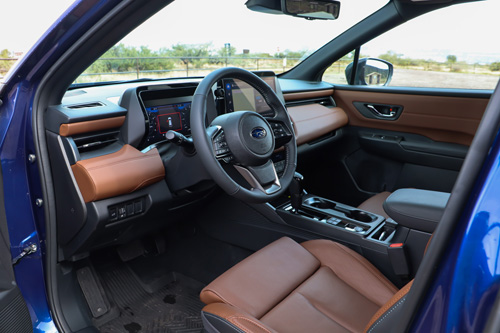
Even the cupholders have grown; you can now fit a 32-ounce water bottle into the door cupholders, which have been given a fabric liner so that hard water bottles won’t rattle around. I would be a little wary of getting spilled coffee out of there, however; a splash of water on the material showed that some beaded off, and some was absorbed. You’d have to dump a whole large Double-Double down there to know for sure, but I didn’t do that because A) Tim Horton’s hasn’t made its way so far down south yet and B) it’s not, you know, my car.
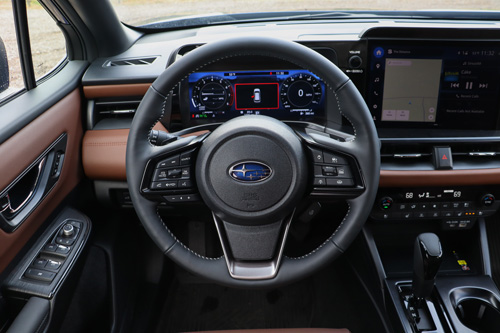
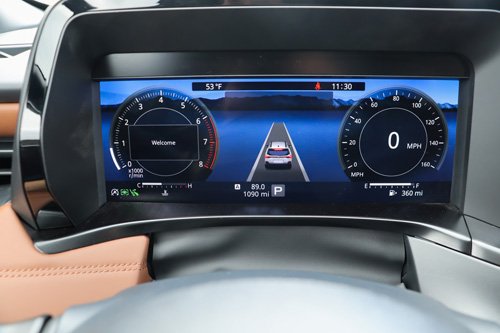
On the old car it was on the central display where you found the climate controls but not anymore; those are now all traditional hard buttons that are much easier to operate with gloves on or when on the move. The gauge cluster is also a digital display and that’s standard on all trims: Touring ($40,895), Limited XT ($48,195), Wilderness ($48,195) and Premier XT ($51,195). All but the base Touring model come equipped with the more powerful of two engine options: a 2.4-litre turbo four-cylinder good for 260 horsepower and 277 pound-feet of torque as well as a continuously variable transmission (CVT). The other 2.5L naturally aspirated plant is good for 180 hp, but the real question at the launch event was whether or not a hybrid powertrain – perhaps the e-boxer unit from the new Forester – would make its way to the Outback. No word on that yet, but mark us down as “not surprised” if and when it does happen.
The turbo motor’s power figures are the same as last year – that’s a bit of a shame — but they nevertheless help to get things going once you get over a slight bit of turbo lag and CVT-induced delay. Highway speeds are easily reached and high-speed passes are completed with confidence. I like the fact that you can choose to “shift” the CVT on your own; there are no actual gears being shifted in a CVT so Subaru has included some synthetic ones to help the driver be more involved in the drive. They’re actually quite beefy to pull, which helps further the illusion that you’re actually shifting gears.
2026 Subaru Outback
2026 Subaru Outback
2026 Subaru Outback
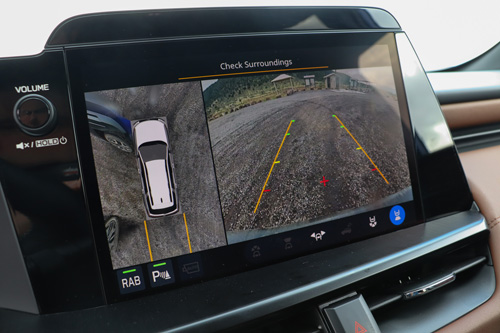
2026 Subaru Outback
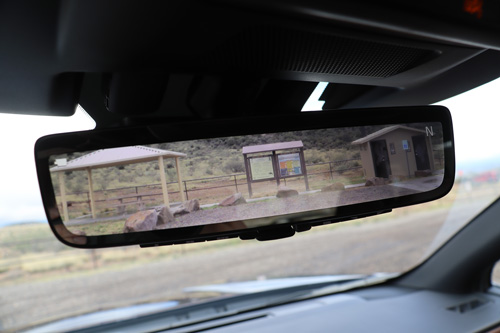
2026 Subaru Outback
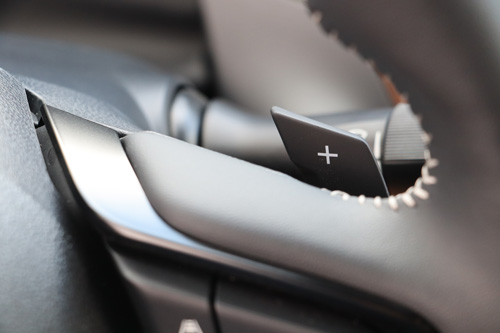
2026 Subaru Outback
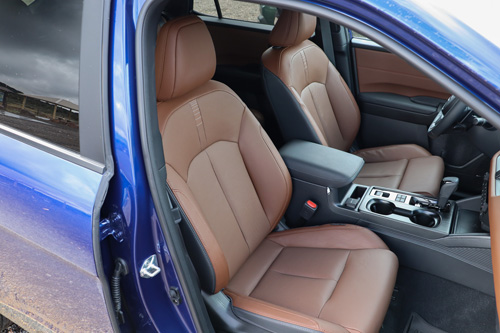
2026 Subaru Outback
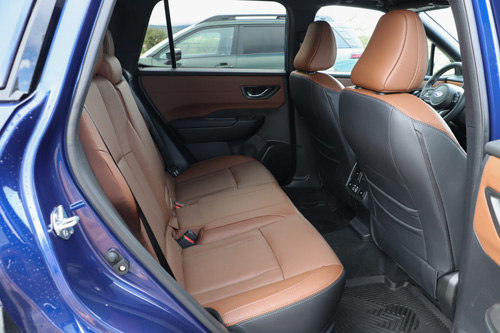
2026 Subaru Outback
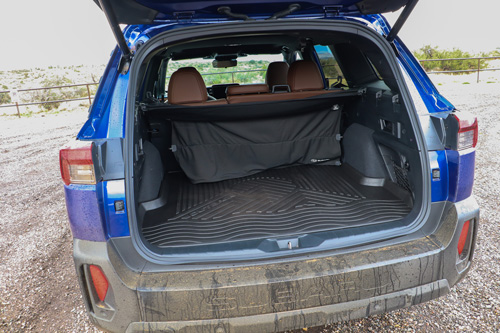
2026 Subaru Outback
As good as the power is, it’s the ride that really impressed me. On the highway, expansion joints are reduced to a footnote and in town, all the usual stuff like cracked concrete and potholes is dispatched with gumption. Add a host of extra sound-deadening materials throughout the body and thicker glass and you have a more upscale ride.
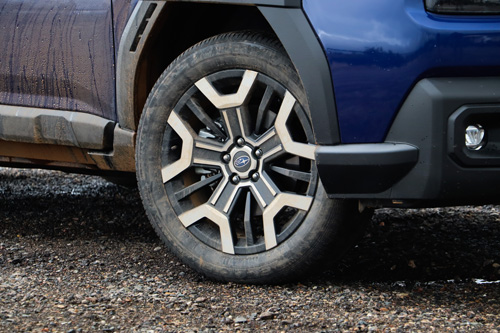
Even that slippery, rocky terrain was hardly a match for the latest ‘back; I was able to clamber up pretty much anything that came our way, Just a single, slippery boulder encounter forced me to back off and re-asses my flight path. It may have been a storm rife with thunder and lightning but while I saw flashes, I don’t ever recall hearing anything even resembling a thunderclap because the Outback’s cabin is insulated so well.
For all its ruggedness, its capability and its more truck-like styling, what really impresses with this iteration of the Outback is how cultured it is. The seats, the ride and the on-board tech all fly in the face of getting down and dirty, but more than preventing the Outback from being able to do so, it all just enhances the whole experience. Add a hybrid powertrain, and that can all be taken up yet another notch. Would love to see it.